Investments & Retirement
Clear, basic education designed to answer common questions. Explore a topic, then contact us when you want to connect it to your situation.
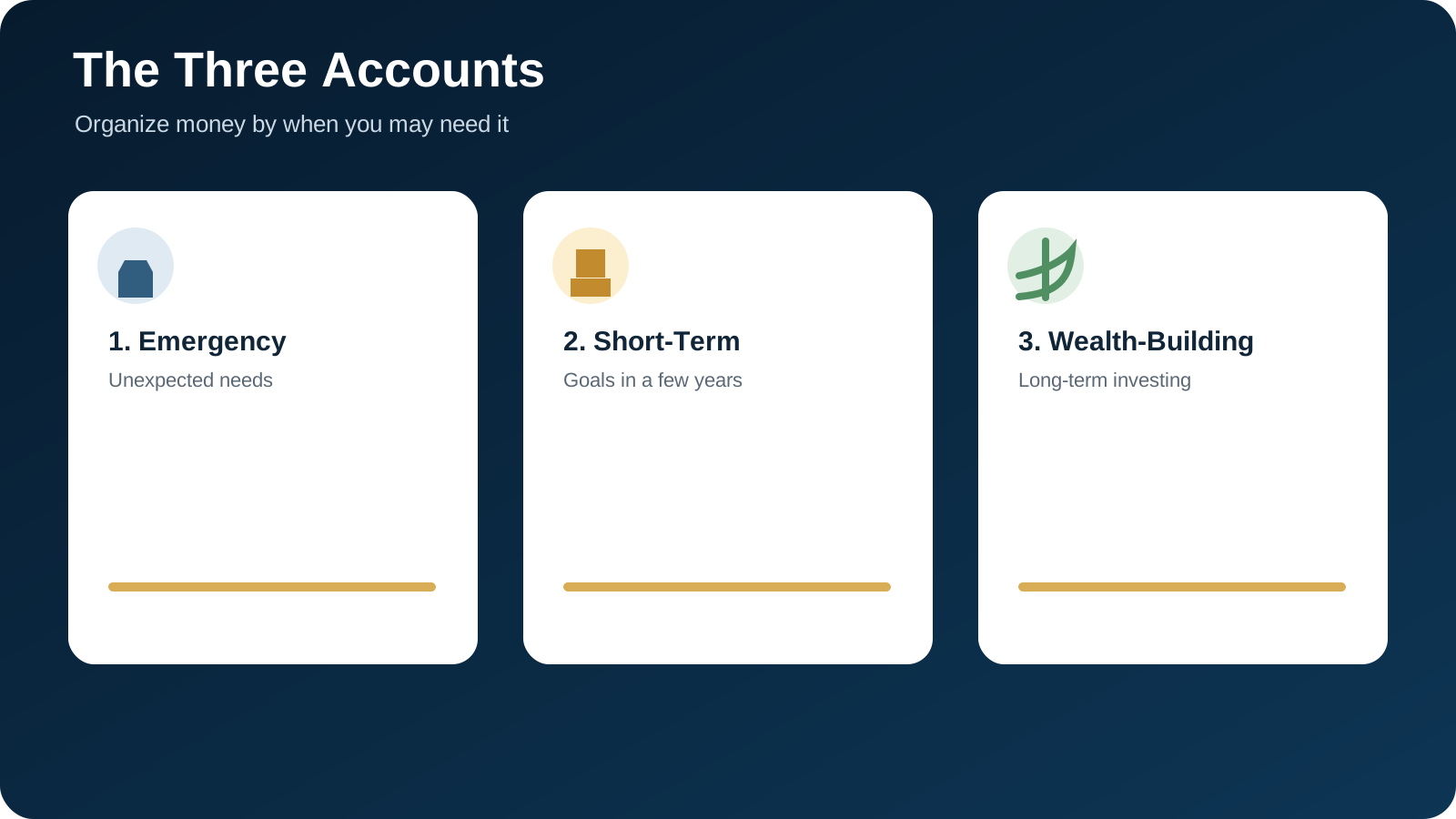
Getting Started: The Three Accounts
A simple way to organize savings is to separate money by when it may be needed: emergency needs, short-term goals, and long-term wealth building.
Explore topic →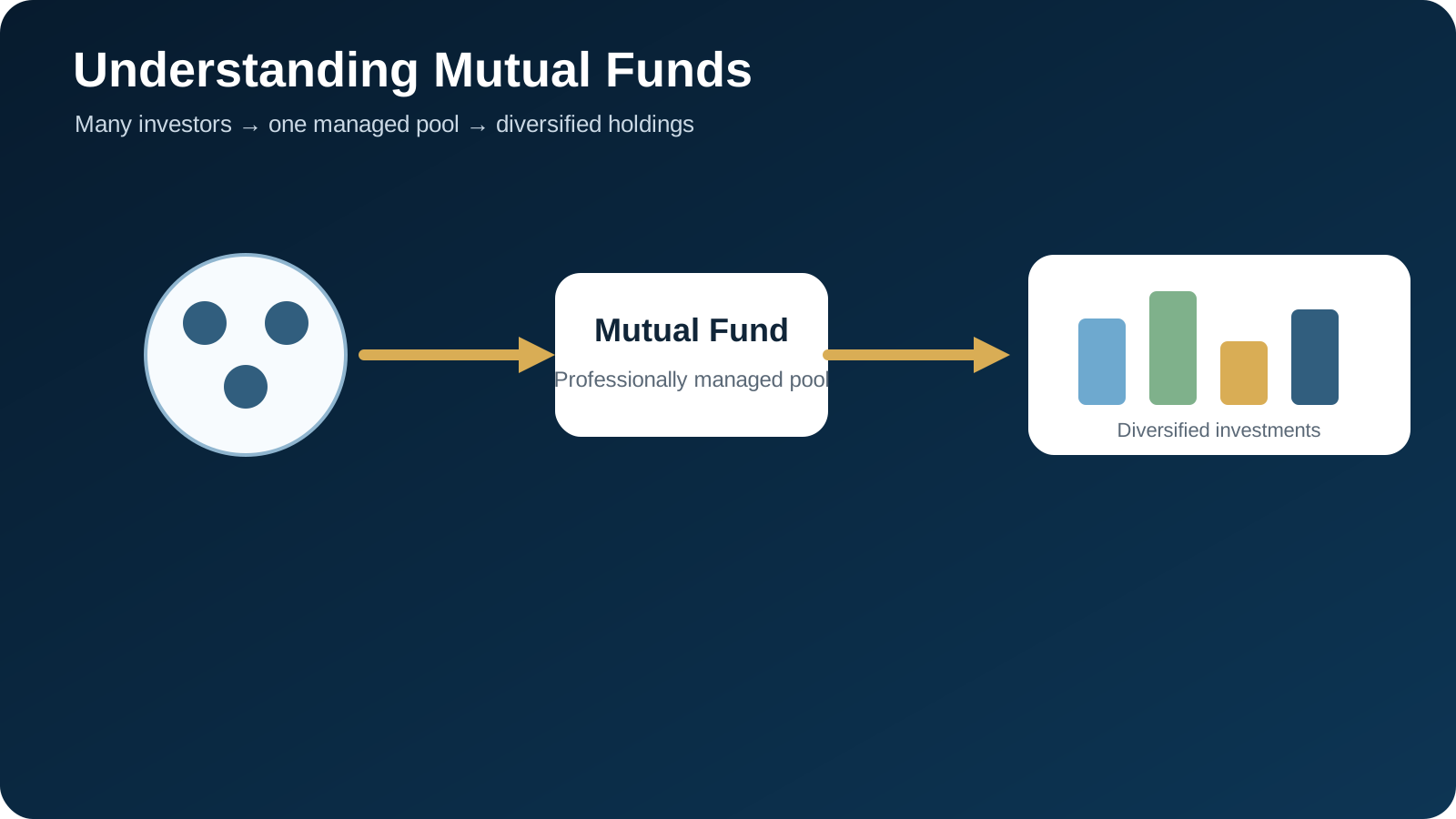
Understanding Mutual Funds
A mutual fund pools money from many investors and invests in a portfolio of securities. Different funds pursue different objectives and levels of risk.
Explore topic →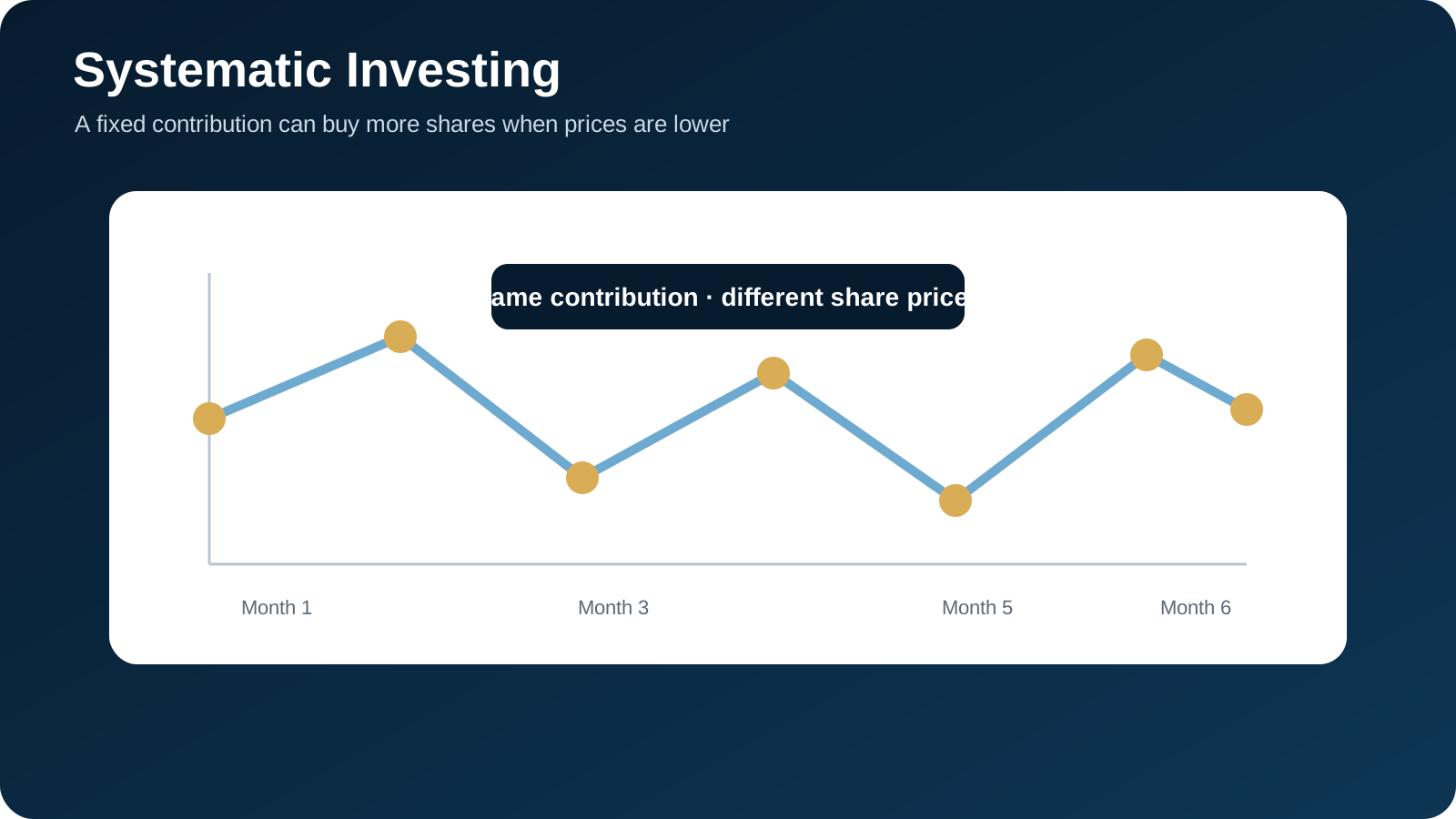
Systematic Investing & Dollar-Cost Averaging
Systematic investing means contributing on a regular schedule. When prices fluctuate, the same dollar amount buys more shares at lower prices and fewer shares at higher prices.
Explore topic →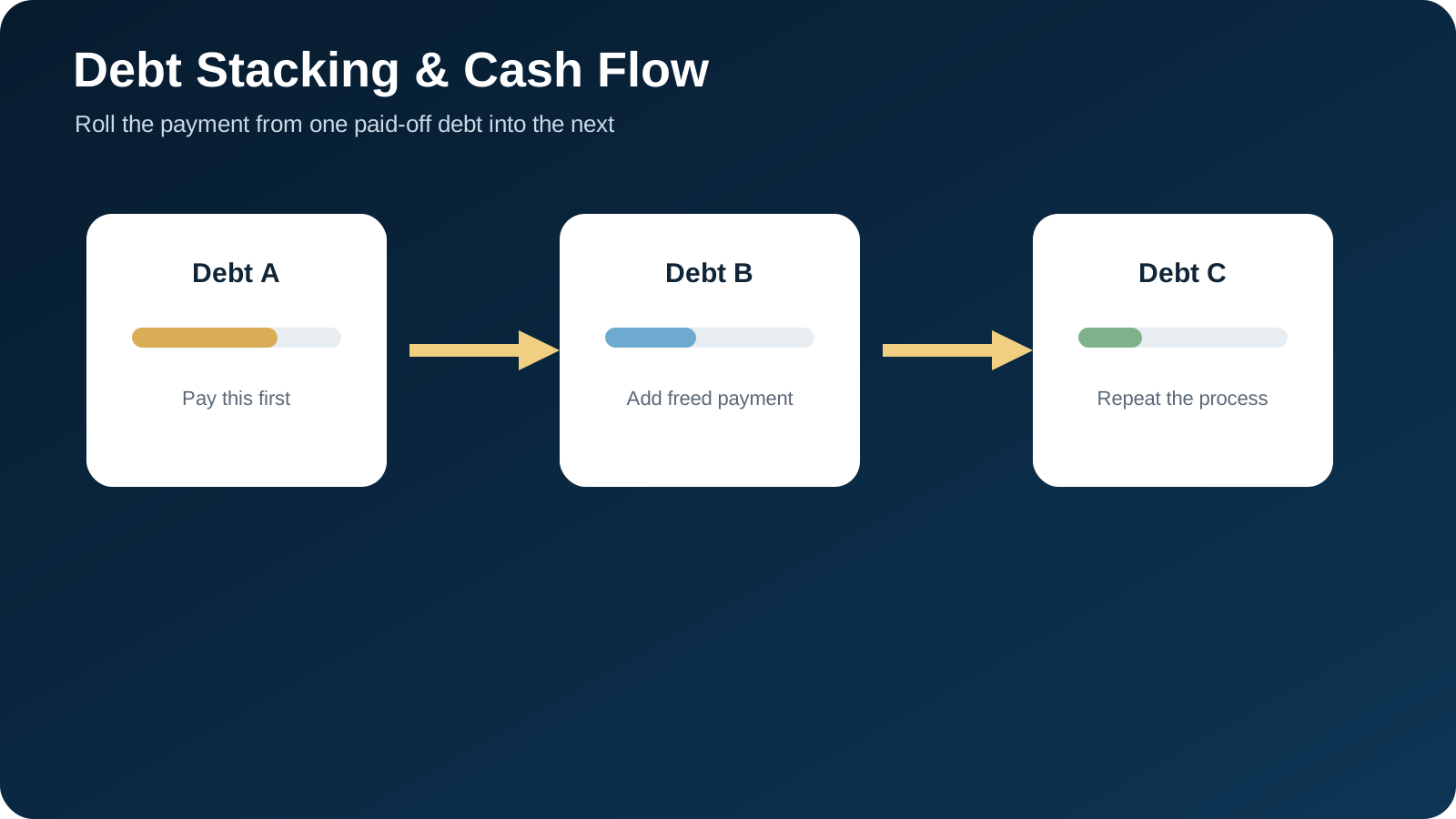
Debt Stacking & Cash Flow
Debt stacking is an educational method for directing the payment from a paid-off debt to the next target debt instead of lowering the household's total monthly debt payment.
Explore topic →
Retirement Accounts & Rollovers
Retirement savings can sit in IRAs, Roth IRAs, 401(k)s, 403(b)s, 457 plans, and other qualified accounts. A job change or retirement may create choices about what to do next.
Explore topic →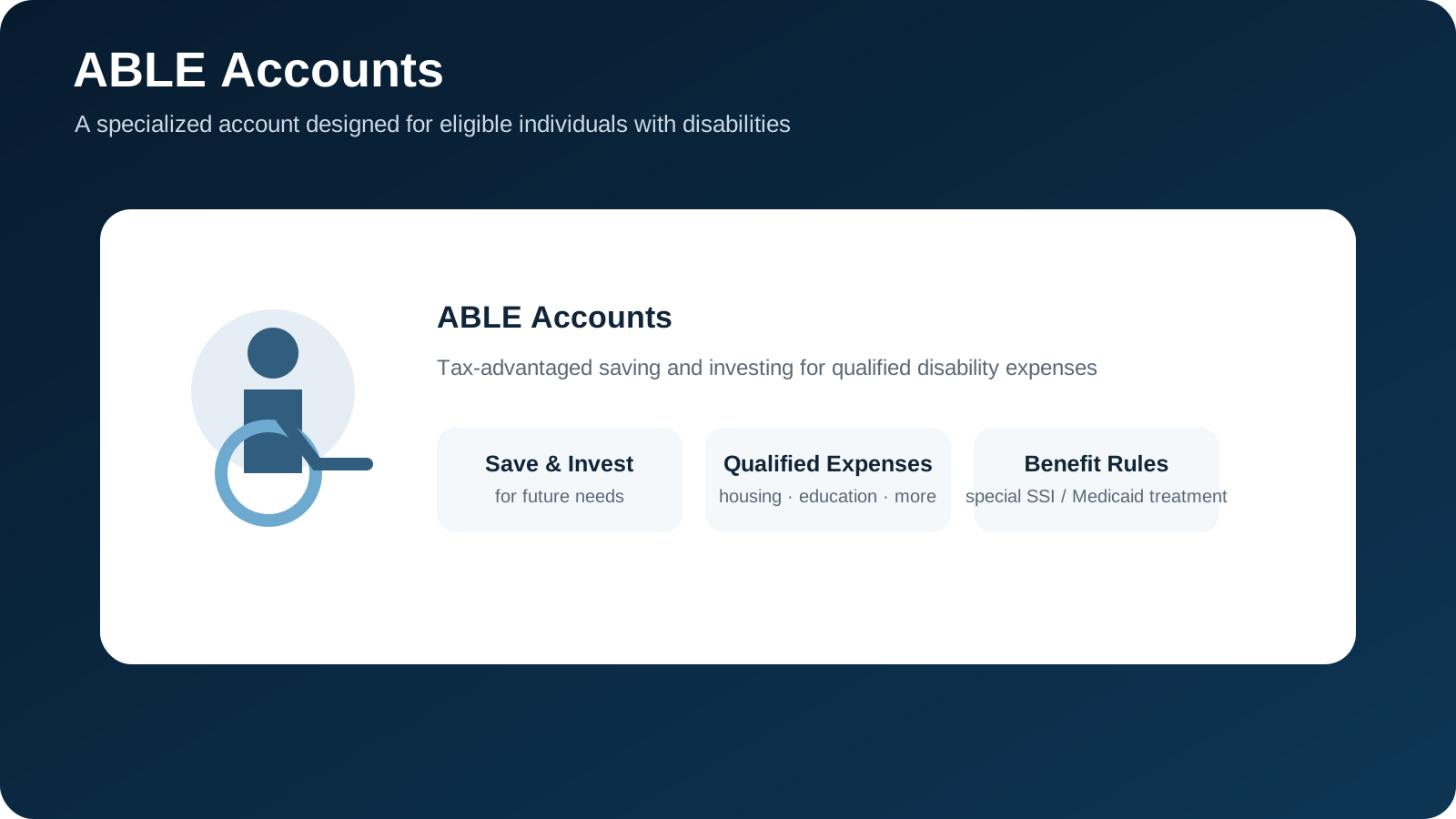
ABLE Accounts
ABLE accounts are tax-advantaged accounts for eligible people whose blindness or disability began before age 46. They can help pay qualified disability expenses while preserving important public-benefit protections.
Explore topic →
Business Retirement Plans
Businesses may have access to several retirement-plan structures, including 401(k), Solo 401(k), SEP IRA, SIMPLE IRA, and payroll-deduction arrangements.
Explore topic →